the morning palm verse
Karagre Vasate Lakshmi
The Kara Darshana shloka is a short verse to say at dawn while looking at your palms. Here is the Sanskrit, a word-by-word translation, what it means and a recitation to listen to.
The mantra
करमध्ये सरस्वती ।
करमूले तु गोविन्दः
प्रभाते करदर्शनम् ॥
karamadhye Sarasvatī,
karamūle tu Govindaḥ,
prabhāte kara-darśanam.
Meaning in one line: “At the tip of the hands dwells Lakshmi, in the middle of the hands Saraswati, and at the base of the hands Govinda. So, in the morning, look at your hands.”
Word-by-word meaning
| Sanskrit | Transliteration | Meaning |
|---|---|---|
| कराग्रे | karāgre | at the tip of the hand (kara = hand, agra = tip or front) |
| वसते | vasate | dwells, resides |
| लक्ष्मीः | Lakṣmīḥ | Lakshmi, associated with prosperity and good fortune |
| करमध्ये | karamadhye | in the middle of the hand |
| सरस्वती | Sarasvatī | Saraswati, associated with learning, speech and clear thought |
| करमूले | karamūle | at the base of the hand |
| तु | tu | and, but (a small linking word) |
| गोविन्दः | Govindaḥ | Govinda, a name of Krishna |
| प्रभाते | prabhāte | in the morning, at dawn |
| करदर्शनम् | kara-darśanam | looking at the hands |
What the verse means
The verse places three figures along the hand. Lakshmi is at the fingertips, Saraswati is in the middle of the palm, and Govinda is at the base. It then gives a simple instruction: begin the morning by looking at your palms.
Traditionally the three stand for things people hope to bring into the day: prosperity that comes through honest effort, learning and clear thinking, and steadiness. A common way to read the verse is that the hands we wake up to are the hands that will do the day’s work, so the first thing we see is a reminder to use them well.
It is a verse of reflection and gratitude. It does not promise any particular outcome, and this page does not either.
Where the verse comes from
The verse is a widely recited morning prayer in many Hindu households, one of the traditional prātaḥ smaraṇa (morning remembrance) verses. I have not been able to tie it to one specific scripture, and the wording differs a little between families and regions, so treat any single-source claim with care.
One common variation names Brahma at the base of the hand instead of Govinda (karamūle sthito Brahmā). Both versions are in use. The version on this page, with Govinda, is the one recited in the audio.
How to chant it in the morning
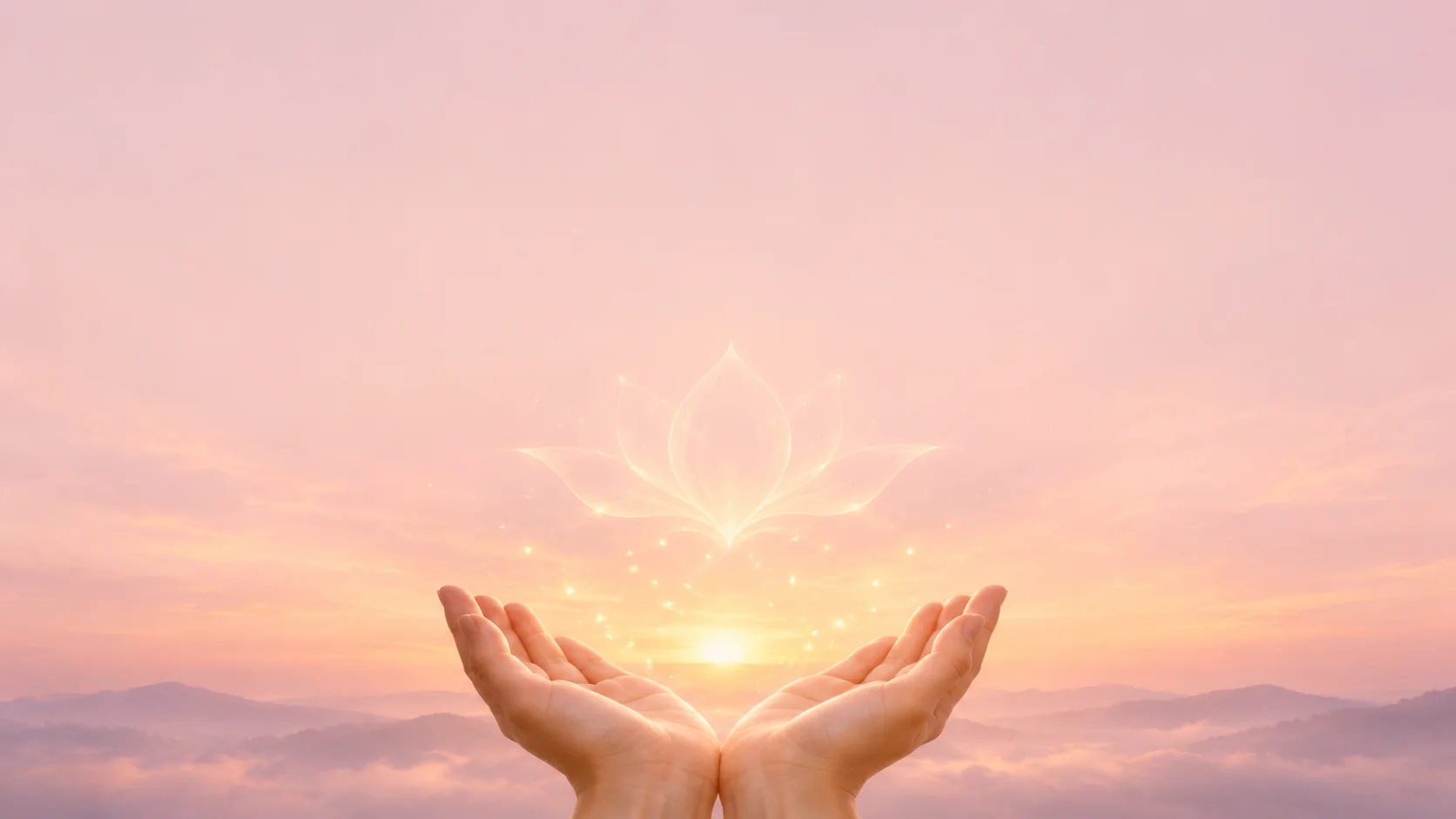
- Before you get out of bed, open your eyes and rest your hands in front of you, palms up and slightly cupped.
- Look at your fingertips for the first line, the middle of the palm for the second, and the base of the palm for the third.
- Say the fourth line, then slowly say the whole verse once or a few times. You can also listen to the recording below and say it along.
- Finish by gently rubbing your palms together and touching them to your face, if that feels natural to you.
Pronunciation tip: say the long “ā” like the “a” in “father”. Lakṣmīḥ sounds like “LAK-shmee-hi”, with a soft breath at the end. Go slowly: rhythm matters more than speed.
Frequently asked questions
What is the Kara Darshana mantra?
Kara Darshana means “looking at the hands”. It is a short Sanskrit morning verse, usually recited just after waking while looking at the palms, that names Lakshmi, Saraswati and Govinda along the hand.
What does Karagre Vasate Lakshmi mean?
It means “at the tip of the hand dwells Lakshmi”. The full verse continues with Saraswati in the middle of the hand and Govinda at the base, and ends by saying that one should look at the hands in the morning.
Why look at the palms in the morning?
A common explanation is that our hands do the work of the day, so starting by seeing them is a moment of gratitude and intention. It is a tradition of reflection, not a promise of any result.
Is there a version with Brahma instead of Govinda?
Yes. Some families recite “karamūle sthito Brahmā” for the third line. Both versions are in use, and the audio on this page uses the Govinda version.
How many times should I recite it?
There is no fixed rule. Many people say it once or three times each morning. The recording on this page recites it four times, and you can use the counter on the home page if you like to count to 108.
Do I need to know Sanskrit to chant it?
No. Read the transliteration, listen to the recording a few times, and say it at your own pace. Understanding the meaning is as useful as perfect pronunciation.
More mantras
stay in touch
A mantra in your inbox
An occasional note with one mantra, its meaning and a short recording. Nothing to buy and no pressure.
Your email is used only to send these updates and is never shared. You can ask to be removed at any time.